
"Ibadan Exhibition Unearths Nigeria's Activist Heritage, Sparks Debate on Historical Erasure"
An exhibition in Ibadan is shedding light on Nigeria's often-overlooked history of activism, prompting probing discussions about access, historical erasure, and the potential of archives to galvanize new political movements. By resurrecting narratives from an era of fierce dissent, the display challenges contemporary perceptions and underscores the enduring power of collective memory.
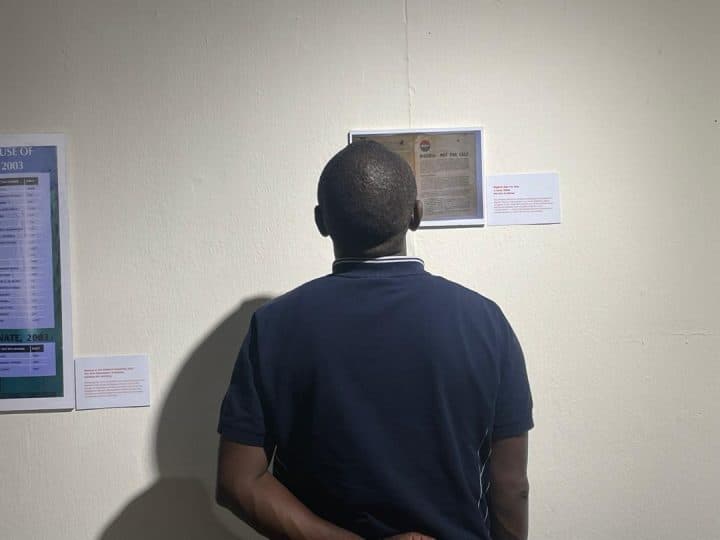
In a notable effort to recover Nigeria's obscured history of activism, the Archives of Popular Struggle exhibition opened at the Corneliis Adepegba Museum at the University of Ibadan. Aimed at illuminating the robust, albeit often overlooked, history of resistance, the exhibit poses essential questions about the nature of archives and their capacity to inspire future political movements.
Key among the artifacts on display are posters, flyers, letters, and other memorabilia from pivotal movements and figures that challenged Nigeria's authoritarian regimes. Iconic activists such as Chief Gani Fawehinmi, Kehinde Oni, and Tai Solarin are featured prominently, offering visitors a tangible connection to past struggles. The exhibition pays homage to significant groups like the Gani Fawehinmi Solidarity Foundation, Women In Nigeria, and historical events like the Abacha Must Go Rally.
The overarching narrative challenges the prevalent notion that social media birthed political activism in Nigeria. Long before the digital age, men and women risked their lives to oppose oppressive governments. For example, the Academic Staff Union of Universities (ASUU) played a critical role in resisting the Babangida regime's structural adjustment programs during the 1980s—a testament to the proactive stance of Nigeria's intellectual community in shaping the socio-political discourse.
While the exhibition succeeds in highlighting this rich history, it inadvertently raises concerns about accessibility. Primarily viewed by academics, the exhibition struggles to reach ordinary Nigerians. The potential to engage with a broader audience remains hampered by its limited availability, reflecting a missed opportunity in democratizing access to this rich historical narrative.
Asking critical questions, the exhibition challenges attendees to consider the potential for archives to spawn new political debates and initiatives. It invites reflection on how lessons from the past can inform contemporary movements, such as #EndSARS, particularly in bridging the disconnect between historical activism and ongoing socio-economic challenges.
Ultimately, the exhibition not only serves as a reminder of the collective power in social struggles but also underscores the intellectual's crucial role in these narratives. As one reflects on these archives, the message is clear: history's lessons should serve as a roadmap for the future, urging society to strive for an emancipated, progressive Nigeria.
"By understanding our past, we equip ourselves with the tools necessary to forge a better future," stated a visitor, encapsulating the exhibition's potential as an educational and motivational catalyst for change.