
Nairobi's Migrants Confront Hidden Barriers in Housing, Work, and Policing
In the bustling heart of Nairobi, migrants like Milkah, a Congolese refugee mother of three, grapple with the harsh realities of systemic barriers beyond national boundaries, facing threats and an indifferent justice system. Her story sheds light on the invisible challenges that continue to define the migrant experience despite Kenya's reputation as a welcoming nation.
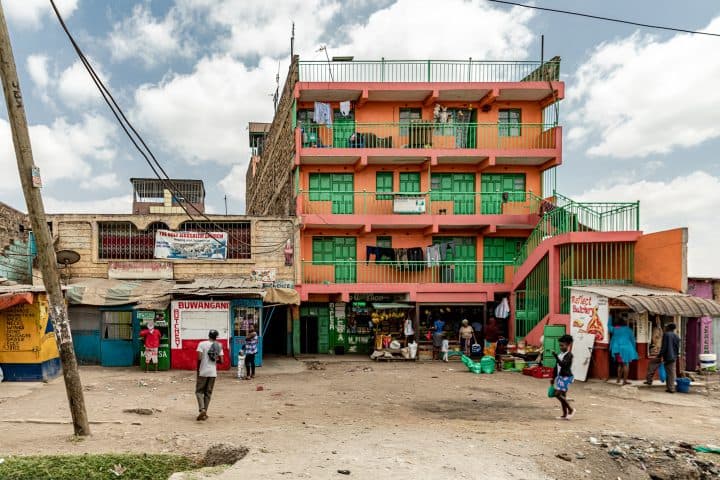
In the bustling city of Nairobi, where cultural vibrancy and economic activity thrive, migrants and refugees encounter not only national borders but also invisible barriers within their communities. These challenges manifest starkly in areas like policing, housing, and employment, posing significant hurdles for those seeking refuge in Kenya. The city's facades of opportunity often obscure the systemic obstacles that await those fleeing turmoil from regions such as the Democratic Republic of the Congo (DRC), Burundi, and Rwanda.
Milkah, a refugee from DRC, epitomizes the trials faced by migrants as they navigate life in Nairobi. Her journey, which began with a hopeful reunion with her husband in Kajiado, quickly devolved into a struggle against threats from fellow Congolese and unyielding police inaction. Seeking safety, the couple turned to a refugee support organization, only to find Milkah's husband subjected to exploitation on Rusinga Island, far from Nairobi. His labor went unpaid, and he was denied even basic communication with his family, highlighting the grim realities of seeking protection under systems that often function beneath the veneer of benevolence.
Corruption in essential services further complicates access to justice, healthcare, and welfare for migrants like Milkah. These "internal borders" are marked not by physical checkpoints but by financial barriers that make justice an elusive, costly affair. Disparities in legal protections transform the promise of sanctuary into an ongoing battle for survival.
Community efforts such as those by the Kayole Community Justice Centre (KCJC) offer a glimmer of hope, helping migrants like Milkah navigate logistical challenges, including securing travel permits to reunite her family. However, the pervasive sense of insecurity lingers, exacerbated by the harsh realities of informal labor, as many migrants are driven to activities like hawking and casual work, often facing hostility and exploitation.
The narrative is further highlighted by voices like Juliana, who speaks of discriminatory housing practices and thwarted justice efforts for a friend's assaulted daughter. These stories paint a broader picture of systemic exclusion, where migrants and refugees are often marginalized and isolated, left to fend for themselves amid an unfriendly bureaucratic landscape.
Hostile interactions further complicate the scenario in Nairobi, where economic competition fuels misunderstandings and conflict. Incidents such as the 2021 altercation in Mathare, where local and Ugandan dhobi women clashed over employment opportunities, illustrate how societal tensions can inflame xenophobia and communal strife.
Despite these challenges, migrants and refugees inject vitality and diversity into Kenyan urban spaces, crafting innovative pathways for survival and demonstrating resilience. These communities play crucial roles in their local economies and social fabrics. Yet, as systemic and community failures persist, the onus falls on both governmental and societal structures to embrace inclusivity and uphold the rights of every individual, regardless of origin or status.
In the words of a community advocate, "An African should not be a foreigner in Africa; we are all one." This ethos challenges Kenyans to foster ubuntu—a communal spirit of interconnectedness and humanity—as a guiding principle to support the marginalized and protect the vulnerable among us. The integrity of our society hinges on our willingness to act as allies who uplift and defend those forced to live on the peripheries of security and hope.