Trinidad and Tobago Delegation Heads to Venezuela to Negotiate Oil and Gas Interests
A delegation from Trinidad and Tobago, led by Prime Minister Kamla Persad-Bissessar, plans to visit Venezuela to negotiate a fair distribution of jointly owned oil and gas resources. This move underscores the nation's ongoing efforts to assert its rightful claim in regional energy assets.
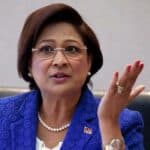
A delegation from Trinidad and Tobago is set to travel to Venezuela in the near future to affirm the nation's entitlements concerning oil and gas resources shared between the two countries. This move was confirmed by Prime Minister Kamla Persad-Bissessar during a recent event in Penal, where the Prime Minister highlighted the importance of securing the nation's "just share" of these vital resources.
Key Facts
The proposed visit aims to address and resolve longstanding issues over joint energy reserves situated at the maritime borders between Trinidad and Tobago and Venezuela. The resources in question have been a focal point of bilateral resource-sharing agreements, where both nations hold stakes in the development and exploitation of these energy reserves. Prime Minister Persad-Bissessar's remarks underscore the urgency with which Trinidad and Tobago is approaching this mission, especially in light of the country's economic dependency on its energy sector.
Background
Trinidad and Tobago's economy is significantly driven by the energy sector, which makes it essential to solidify access to sustainable energy resources. Historically, both Trinidad and Venezuela have engaged in cooperative energy agreements, focusing particularly on shared gas fields in the downtime's segment of Caribbean waters. However, geopolitical tensions and evolving energy demands have grown the complexities surrounding these agreements.
The issue of shared resources is not only about economic gain but also involves strategic geopolitical positioning. It highlights the intricate balance of maintaining amicable bilateral relations while securing national interests.
Implications
For Trinidad and Tobago, securing access to its rightful share of oil and gas could bolster economic stability, create job opportunities, and fund social programs amid fluctuating global oil prices. Additionally, the delegation's impending visit suggests a proactive approach by the Trinidadian government in negotiating resource rights and setting a precedent for equitable resource management in the region.
On a broader regional scale, this move could potentially strengthen Caribbean cooperation on energy resource management and could influence similar discussions among island nations wrestling with access to natural resources situated in shared maritime domains.
Closing Statement
As geopolitical analysts observe these developments, this visit holds potential for reinforcing regional diplomatic ties while prioritizing Trinidad and Tobago's economic sustainability. The forthcoming discussions in Venezuela are expected to be pivotal in reaffirming the nation's strategic energy goals amidst a rapidly transforming global energy landscape.