
Short-Lived Surge: Post-George Floyd Funding for Black-Led Nonprofits Dwindles, Favoring Larger Entities
Following the surge in funding for Black-led nonprofits in the wake of George Floyd's murder, new data reveals that these investments were short-lived and predominantly benefited larger organizations. This trend raises concerns about the sustainability of financial support for racial justice initiatives within the Black diaspora.
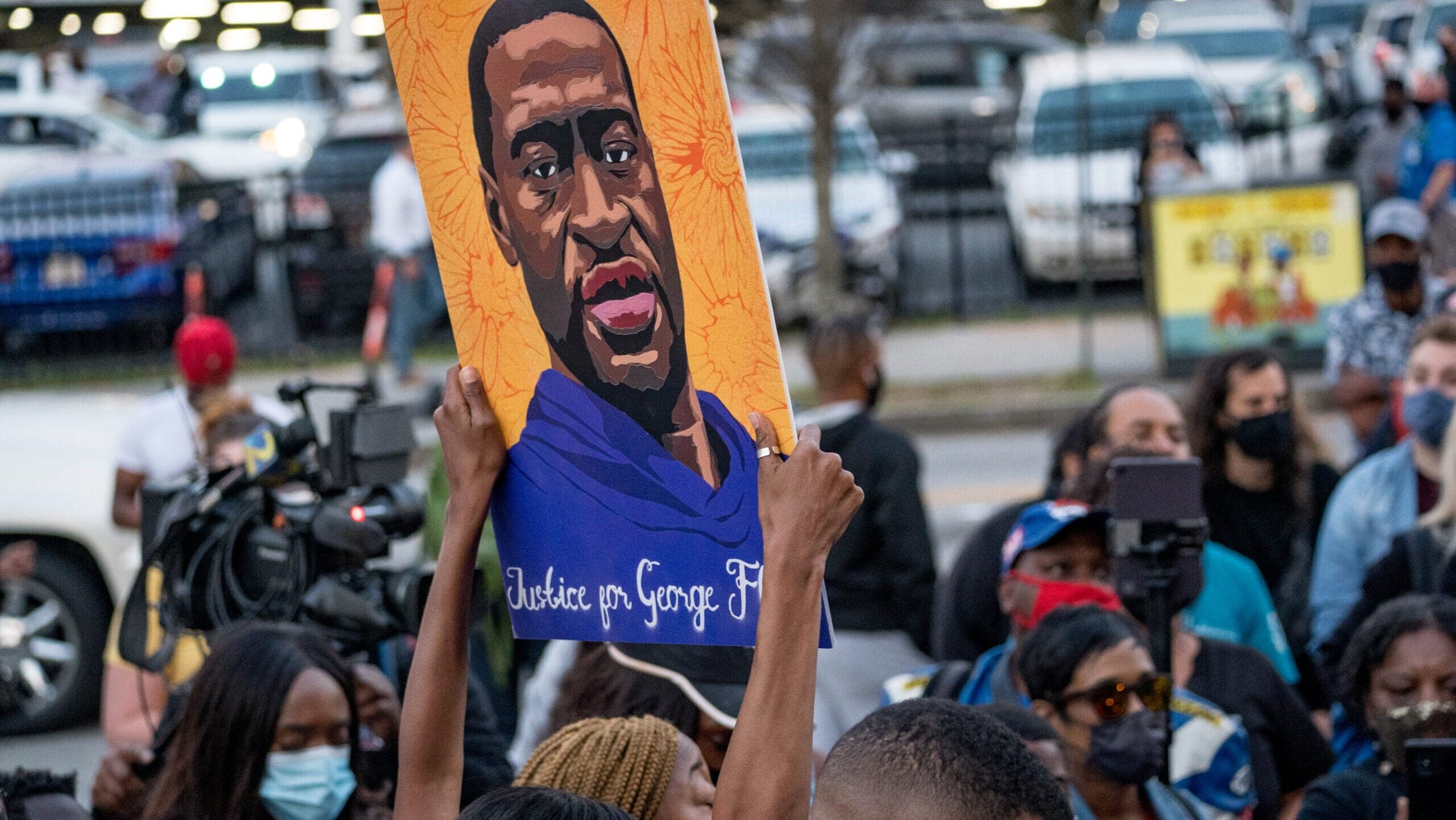
Surge of Interest in Black-Led Nonprofits: A Short-Lived Phenomenon
In the aftermath of George Floyd's death in 2020, funding for racial justice initiatives, particularly Black-led nonprofits, surged as protests amplified calls for racial equity. However, recent data indicate this wave of financial support was largely temporary, with aid quickly receding and preferentially benefiting larger organizations.
Key Facts:
A collaborative report by Candid and ABFE (the Association of Black Foundation Executives) reveals that despite an initial rush of pledges and donations, sustained funding has not materialized for the vast majority of Black-led nonprofits. Most of the financial commitments made during this critical period were short-lived, leaving smaller, community-based organizations struggling to maintain momentum in their efforts to address racial inequities. The analysis highlights that substantial monetary support was often redirected to more established and larger entities, overshadowing smaller groups with deeper roots in affected communities.
Background/Context:
Following the global outcry over Floyd's murder, institutions and individuals alike committed significant resources to address systemic racial injustices. During this time, philanthropy saw an unprecedented willingness to invest in Black-led organizations aiming to combat inequality. However, as the immediacy of the moment faded, so did many of these commitments, revealing a broader challenge within the philanthropic sector to maintain long-term investment in racial justice initiatives.
Historical patterns have shown that funding for such causes can be sporadic and inconsistent, often peaking at moments of social upheaval and tapering off once media attention wanes. The report indicates a continuation of this trend, as institutional donors returned their focus to traditional funding pathways, inadvertently sidelining the pioneering work of grassroots organizations that were initially elevated in the wake of the 2020 movement.
Implications:
The temporary funding reality poses significant challenges for smaller nonprofits working at the frontline of social change. These organizations often have the most innovative approaches and the deepest understanding of their communities' needs but lack the necessary support to implement lasting solutions. The disproportionate allocation of resources to larger institutions raises questions about the equitable distribution of funds meant to address racial justice.
For a transformative impact on racial equity, sustained financial commitment from donors is crucial. Ensuring that funds reach smaller Black-led groups could enable more comprehensive and resilient community-led solutions, aligning with the intended spirit of the pledges made post-Floyd. The focus should shift to creating systemic changes within philanthropy that recognize and address historical funding imbalances.
Closing Statement:
In light of these findings, it is paramount for stakeholders in the philanthropic community to critically evaluate their funding strategies for racial justice. As stated by a figure associated with the report, “A genuine commitment to racial equity requires long-term, consistent support that empowers grassroots leadership.” This sentiment underscores the need for a reimagined approach to funding that champions sustained engagement over fleeting generosity.