
Prince George’s County Launches Tree Planting Initiative to Address Environmental Inequities and Enhance Climate Resilience
Prince George’s County, Maryland, is taking a stand for environmental justice and climate resilience by planting over 2,100 native trees across urban areas. This initiative aims to rectify historical inequities in local neighborhoods suffering from reduced tree cover and heightened climate risks, underscoring a commitment to a healthier, greener future for all residents.
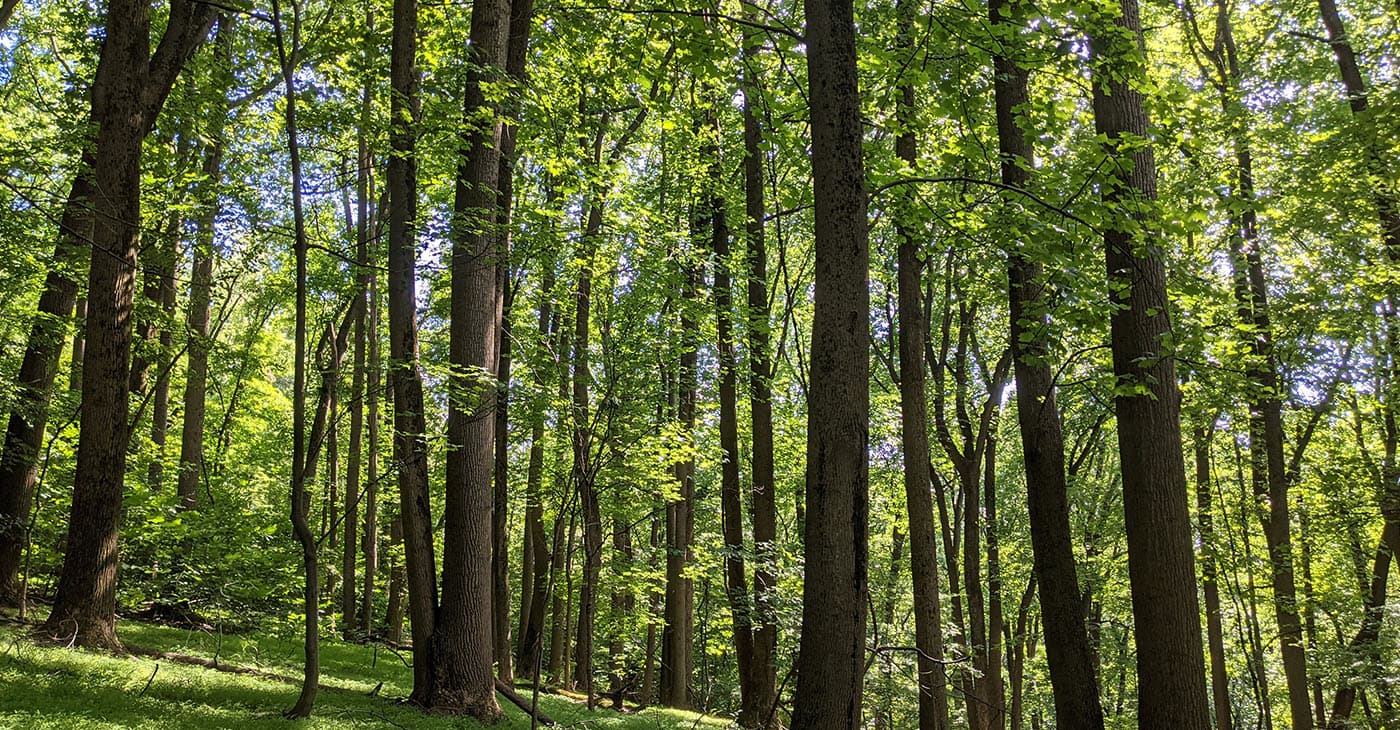
A Maryland county with deep African American roots is making strides towards environmental justice by introducing an urban tree planting initiative. Prince George’s County, known for its significant Black population, recently announced the addition of over 2,000 native trees, aimed at combating climate inequities and fostering sustainable communities.
Key Facts
Under this new initiative, more than 2,100 street-sized, native trees will be planted across various neighborhoods in Prince George’s County. This program is part of a broader strategy to tackle the environmental disparities faced by certain communities in the area, as noted by County Executive Aisha Braveboy. The effort seeks to address issues such as limited tree canopy coverage, increased exposure to heat, and heightened flood risks, which have been pervasive due to historical inequities.
Background and Context
Prince George’s County, situated near Washington, D.C., has long served as a socio-economic hub for African Americans. Despite its prosperity, certain areas within the county have suffered from environmental neglect, bearing the brunt of lesser tree cover, which exacerbates urban heat islands and stormwater management challenges. These conditions are more pronounced in communities traditionally underserved and predominantly composed of minority residents.
This tree planting initiative is a pivotal component of Prince George’s County’s broader commitment to climate resilience and environmental justice. The program aligns with national and global trends pushing for sustainable urban development, recognizing the crucial role that increased greenery plays in mitigating climate change impacts and enhancing the quality of life for residents.
Implications
The introduction of native trees will likely have a multi-faceted impact on the county’s environment and its residents. More trees are expected to improve air quality, provide shade that lowers urban temperatures, and aid in better stormwater drainage. Such ecological benefits are also expected to extend into health improvements, potentially reducing heat-related illnesses and respiratory conditions.
Moreover, this initiative underscores the growing recognition that environmental justice is a critical infrastructure issue, intricately linked with social equity. By prioritizing tree planting in neighborhoods that historically have had less access to green spaces, the county seeks to foster a fairer distribution of environmental resources.
Closing Statement
In articulating the vision behind the urban tree planting initiative, County Executive Aisha Braveboy stated, “This investment reflects our commitment to environmental justice and climate resilience. For decades, some of our communities have experienced the impacts of historic inequities... Planting more than 2,100 street-sized native trees is about restoring balance, improving public health, and ensuring every neighborhood benefits from a greener future.”
This program not only strives to enhance the ecological landscape of Prince George’s County but also serves as a template for other regions aiming to rectify environmental imbalances and promote sustainable urban living.