
Melina Matsoukas to Direct Film Adaptation of Octavia E. Butler's Seminal 'Parable of the Sower'
Octavia E. Butler's acclaimed novel, "Parable of the Sower," is being adapted into a feature film under the direction of Melina Matsoukas, signaling a major moment for Afrofuturism in mainstream cinema. This adaptation of Butler's 1993 science fiction masterpiece promises to bring its powerful themes of resilience and community to a broader audience.
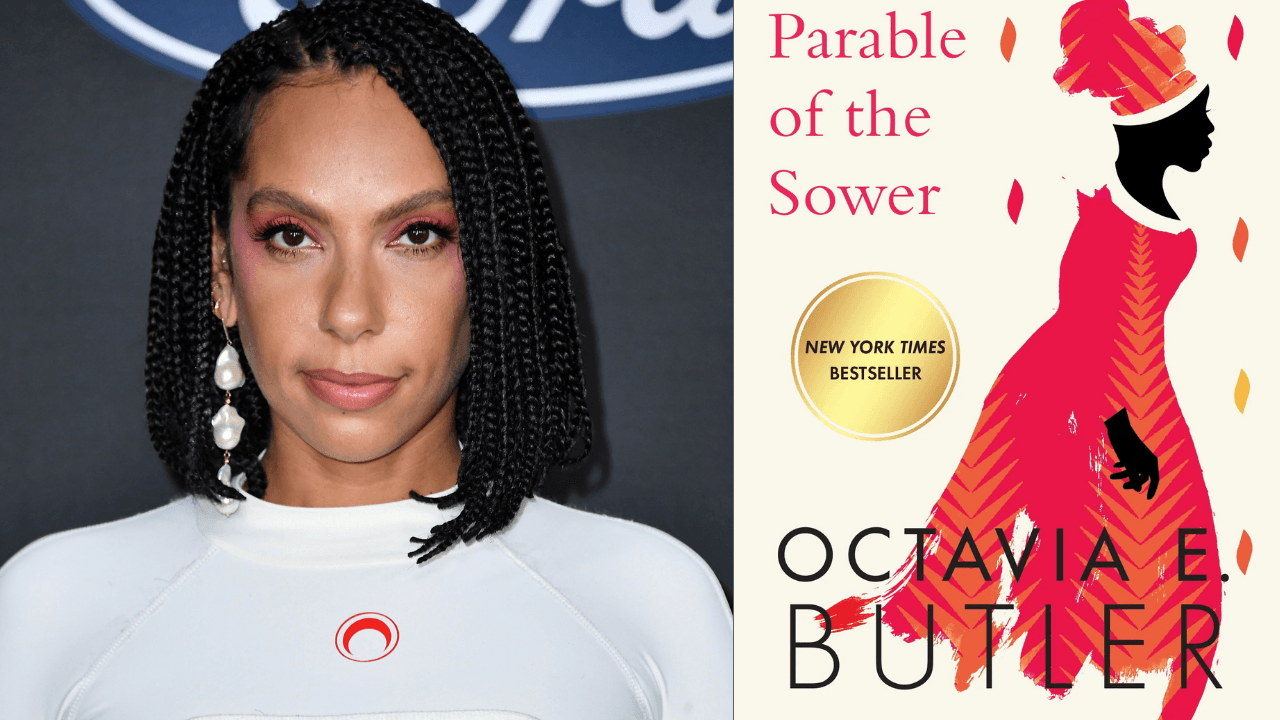
Octavia E. Butler, a towering figure in the science fiction genre, is set to see one of her seminal works, "Parable of the Sower," adapted into a feature film. The film will be directed by the acclaimed Melina Matsoukas, a director celebrated for her visually compelling narratives. This adaptation promises to bring Butler's visionary narrative to a broader audience, breathing life into a story that remains eerily relevant in today’s socio-political climate.
Key Facts
Butler’s "Parable of the Sower," first published in 1993, offers a dystopian vision of the future, examining themes of climate change, social inequality, and the quest for freedom. The novel is frequently lauded as one of the greatest science fiction works, standing alongside classics like George Orwell's "1984." Set in a near-future America, the story follows protagonist Lauren Olamina as she navigates a landscape of societal collapse, ultimately founding a new faith, Earthseed, based on the central tenet, “God is Change.”
Melina Matsoukas, whose previous work includes directing high-profile projects such as "Queen & Slim" and breakthrough music videos for artists like Beyoncé and Rihanna, will take the helm. Matsoukas's adeptness at intertwining social commentary with striking visuals makes her an ideal choice to translate Butler’s powerful themes for the screen.
Background/Context
Octavia Butler’s death in 2006 left a void in speculative fiction, a genre she enriched with narratives that championed diverse, nuanced characters set against complex societal backdrops. "Parable of the Sower" in particular, set in the year 2025, resonates deeply with contemporary concerns. It portrays a world ravaged by environmental disasters and economic hardship, reflecting today's discourse on climate action and social justice. These timeless themes continue to draw new readers, keeping Butler’s legacy alive and vibrant.
Matsoukas, whose work often challenges societal norms and highlights Black perspectives, shares Butler's vision of capturing complex social dynamics through art. The collaboration holds promise for a dynamic and poignant adaptation, likely to both honor Butler's narrative and speak to new global audiences.
Implications
The adaptation arrives at a poignant moment, as discussions around environmental sustainability and racial equity gain momentum worldwide. By visualizing Butler's prophetic vision, the film has the potential to galvanize conversations around these issues, encouraging viewers to reflect on their societal implications. Furthermore, it underscores the importance of diverse voices in speculative fiction and cinema, offering a platform for stories that have historically been marginalized.
This film adaptation could widen the reach of African-American speculative fiction, highlighting the genre’s capacity to explore societal deconstruction through a critical lens of race, class, and environment. Matsoukas’s involvement brings an added layer of authenticity and urgency, as she continues to pave the way for more inclusive storytelling in Hollywood.
Closing Statement
As the world grapples with rapid social and environmental changes, Butler’s "Parable of the Sower" stands as a beacon of imagination and foresight. In the hands of Melina Matsoukas, this adaptation is set to challenge, inspire, and engage, contributing to the ongoing dialogue on our collective future. In the words of Butler's protagonist, Lauren Olamina, “All that you touch, you change. All that you change, changes you.” This film has potential to change not just perceptions but also conversations about the future we wish to build.