
Liverpool Eyes Cost-Effective Successor Amid Potential £35m Mohamed Salah Loss
In anticipation of a financial shortfall, Liverpool is exploring a more cost-effective alternative to replace Mohamed Salah. This strategic shift comes amid the potential £35 million deficit expected from their initially preferred option.
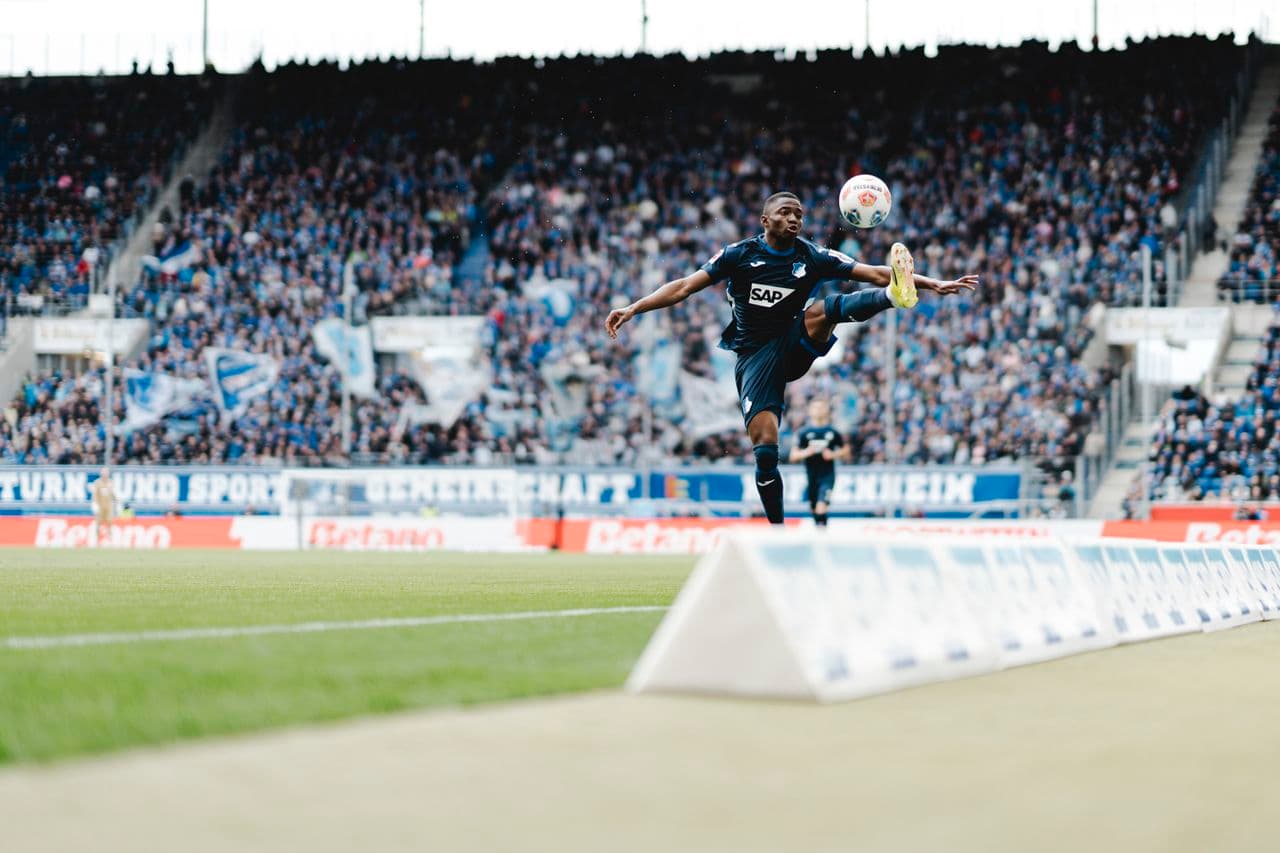
Liverpool Football Club is reportedly eyeing a more financially feasible option to fill the potential void left by star forward Mohamed Salah. This strategic pivot comes as the club anticipates a significant financial hit, underscoring the economic realities even premier football clubs face in the current market.
Key Facts
Reports suggest that Salah's departure could result in a potential £35 million loss for Liverpool. As the club strategizes on minimizing this financial impact, their focus has shifted from their primary target to a less costly, yet promising, alternative. The specifics of this potential transfer remain under wraps, but the move reflects Liverpool's adaptation to the evolving fiscal landscape of football transfers.
Background and Context
Mohamed Salah, an instrumental figure in Liverpool's recent successes, has been a pivotal player in their attacking lineup. His contributions extend beyond the pitch, affecting both team dynamics and fan engagement globally. Facing the possibility of his departure, Liverpool's management is tasked with a challenging replacement decision that balances quality with financial viability.
Historically, the club has navigated these transitions with a blend of strategic signings and nurturing homegrown talent. However, the current situation is complicated by broader economic pressures faced by clubs worldwide. With transfer fees soaring, Liverpool's management is compelled to find financially prudent solutions that maintain competitive performance.
Implications
The choice to pursue a more budget-friendly option signifies Liverpool's broader strategic shifts in its long-term planning. It highlights the growing need for clubs to adapt to fluctuating market conditions while maintaining the calibre of their squad. The outcome of this search could set a precedent for other financially mindful clubs, illustrating a potential path of success through more calculated, less extravagant investments.
This situation also underscores the increasing necessity for clubs to scout and develop emerging talent, a move that could mitigate risks associated with high-profile player departures. For Liverpool, maintaining their status among the elite clubs will depend on the effectiveness of these strategies in balancing financial and sporting objectives.
Closing Statement
As Liverpool navigates these waters, the focus remains on ensuring continued success without the financial strain that could limit future opportunities. In the words of a renowned sports analyst, the club's ability to "reinvent itself on and off the pitch" will be crucial in addressing the challenges of a post-Salah era. This sentiment captures Liverpool's resolve to not only adapt but thrive amid shifting dynamics in the football world.