
ICE Spyware Deployment Sparks Alarm Over Privacy Risks for Black and Brown Communities
Amid heightened scrutiny over privacy breaches, lawmakers and experts express alarm over ICE's deployment of spyware, fearing it may disproportionately infringe on the privacy rights of Black and brown communities. The agency, already criticized for aggressive enforcement under former President Trump, faces questions about accountability and oversight.
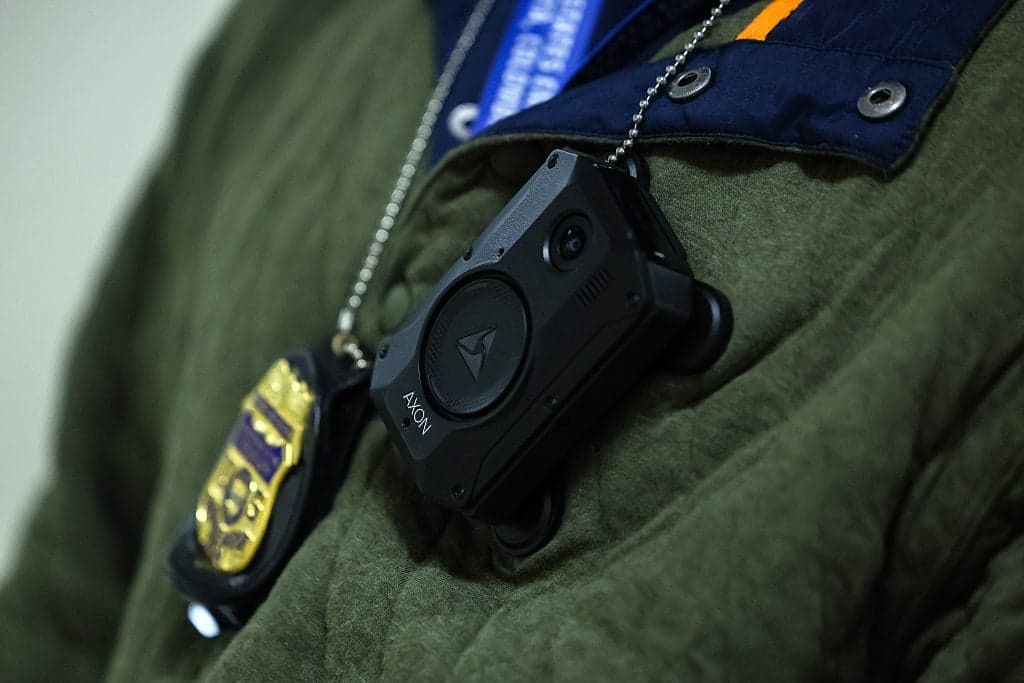
U.S. lawmakers and civil rights experts are increasingly troubled by revelations that the Immigration and Customs Enforcement (ICE) agency is employing spyware in a manner that potentially undermines the privacy rights of Black and Brown communities. This concern is heightened by the agency’s controversial history under the Trump administration.
Key Facts
Concerns have emerged over ICE’s alleged reliance on sophisticated surveillance technologies to monitor individuals in Black and Brown communities. Reports suggest that the agency's practices may be disproportionately targeting these communities, possibly exacerbating their vulnerabilities. Several civil rights groups are scrutinizing ICE for potentially breaching privacy norms, especially given past allegations of overreach during aggressive immigration crackdowns.
At the heart of the issue is ICE’s use of software that reportedly facilitates extensive data gathering, enabling the agency to access a range of personal information from license plate registrations to social media activities. The transparency of such surveillance practices is also being questioned, with critics arguing that ICE may be operating without sufficient oversight.
Background and Context
The controversy surrounding ICE’s use of surveillance tools is not new. The agency was heavily criticized during President Trump’s administration for its role in executing strict immigration policies that many argued disproportionately affected marginalized communities. These policies, including deportations and heightened border security, were often enforced without ample regard for civil liberties, leading to widespread fear and insecurity among Black and Brown people.
In recent years, technological advancements have enabled law enforcement agencies to gather and analyze large datasets, ostensibly to enhance national security. However, the deployment of such technologies in minority communities has sparked a debate about racial profiling and systemic discrimination. Digital rights activists argue that these tools are often leveraged to sustain long-standing racial disparities in law enforcement.
Implications
The implications of ICE's surveillance methods are significant for Black and Brown communities, which face historical and systemic biases in legal and governmental systems. If surveillance technologies are utilized disproportionately, they could contribute to further stigmatization and unwarranted legal actions against community members.
Human rights advocates caution that unchecked monitoring risks violating basic constitutional privacy rights, and emphasize the need for transparent regulations governing the use of such technology. It is feared that without rigorous oversight, the deployment of surveillance tech could set a troubling precedent, impacting not only individual privacy but also affecting public trust in governmental institutions.
Closing Statement
Amid ongoing concerns, many are calling for reform. “We must ensure that surveillance practices uphold fundamental civil liberties, particularly those of communities that have historically been marginalized,” stated an anonymous policy analyst monitoring the development. The analyst added that unless substantive checks and balances are introduced, the broader implications for democracy and human rights could be dire.
As conversations around privacy rights and racial justice continue, the actions of ICE will be closely monitored by stakeholders who remain vigilant against potential abuses. The intersection of technology, race, and governance surfaces as a critical frontier for advocacy and reform.