
Federal Funding Boost to Combat Long-Standing Flooding in Baltimore's Turner Station
Turner Station in Baltimore, a historically neglected community, has secured federal funding to combat persistent flooding issues that compromise residents' safety and quality of life. Local leaders view this investment as a crucial initial step toward sustainable infrastructure improvements and long-term support.
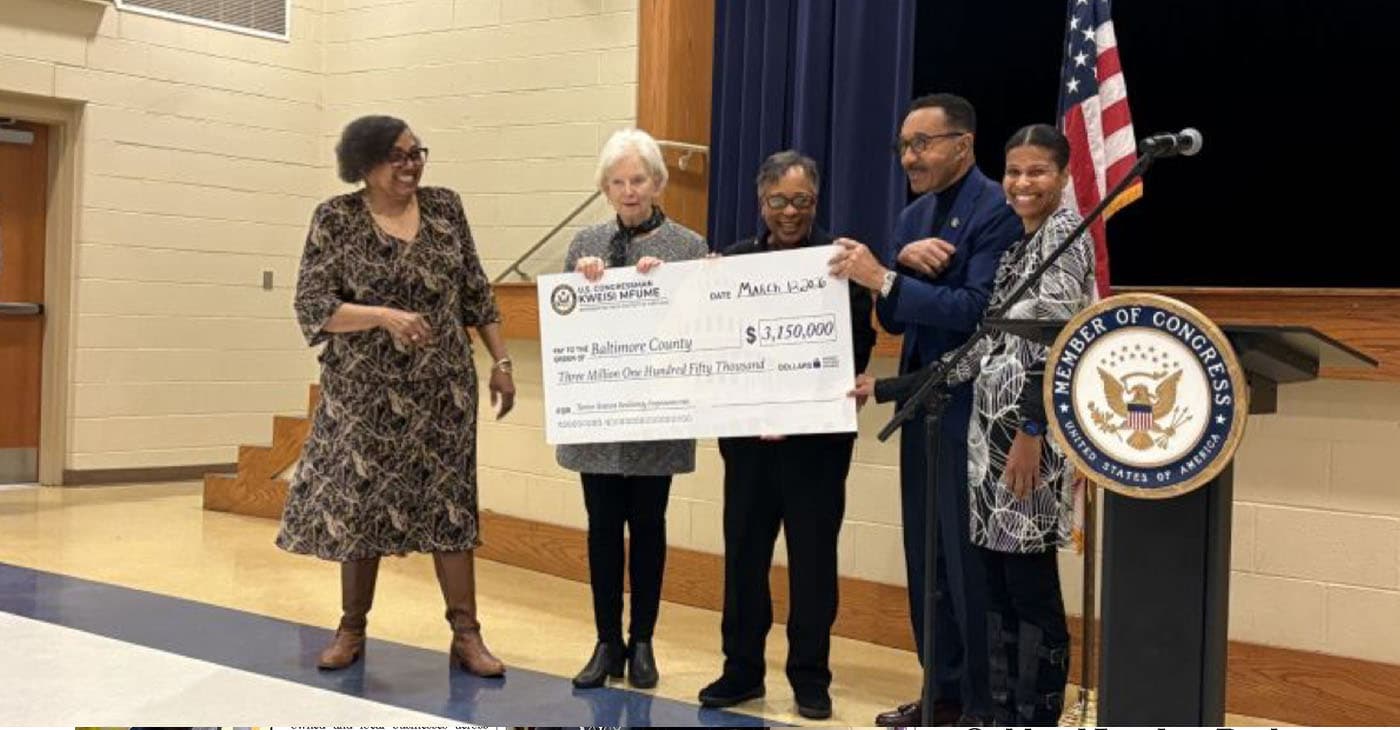
For decades, the Turner Station neighborhood in Baltimore has been plagued by persistent flooding, endangering homes, residents' safety, and overall quality of life. This enduring issue, however, is poised for significant intervention following the announcement of new federal funding aimed at combating these flood risks.
Key Facts
Turner Station, a historically significant African American community, is set to benefit from a newly allocated federal grant. Residents and community leaders have long called for attention to the neighborhood's vulnerability to flooding, a problem compounded by inadequate infrastructure and historic neglect. This investment marks a crucial starting point in enhancing local resilience against environmental challenges.
Background
Situated in southeastern Baltimore County, Turner Station holds a rich cultural legacy, once serving as a beacon of opportunity for Black families migrating from the South. However, the area has faced numerous socio-economic hurdles over the years, not least of which are environmental threats. Located near several bodies of water, Turner Station is particularly susceptible to flooding, a condition exacerbated by aging drainage systems and insufficient urban planning from decades past.
With climate change intensifying storm patterns and sea-level rise, the urgency to address these infrastructure lapses has grown markedly. Community leaders, under organizations such as the Turner Station Conservation Teams, have been at the forefront of advocacy, striving to bring long-awaited improvements to fruition. The recent fund allocation represents a tangible achievement for these activists and the residents they serve.
Implications
The introduction of federal funding is a pivotal development for Turner Station, promising not only immediate relief from flooding but also laying the groundwork for comprehensive infrastructural upgrades. Such financial backing is anticipated to support a range of projects, including modernized drainage systems and enhanced flood defenses, that could protect households and businesses alike from future water-related disasters.
The prospect of a flood-free Turner Station is not just about environmental security; it also speaks to broader themes of social justice and historical redress. The community’s resilience and proactive stance are vital as further resources are sought to ensure the neighborhood can thrive sustainably. Continual investment means that Turner Station can preserve its historical significance while adapting to contemporary environmental challenges.
Closing Quote
Gloria Nelson, a longtime resident and president of the Turner Station Conservation Teams, voiced cautious optimism about the new development. She remarked, “The funding represents an important first step toward lasting solutions, and we are hopeful this investment is just the beginning of continued support and funding to fully address flooding and strengthen our community.” Her sentiments echo the wider community's hopes for a revitalized Turner Station, where safety and quality of life are paramount concerns.
This federal intervention illustrates a commitment to addressing long-standing disparities in minority communities, underscoring the potential for meaningful change when local advocacy and governmental support intersect.