
Over 1,000 Humanitarian Workers Killed in Africa Over Three Years, UN Security Council Reports
Over the past three years, more than 1,010 humanitarian workers have lost their lives amid escalating global conflicts, with 326 fatalities recorded in 2025 alone. Addressing the UN Security Council, the International Red Cross lamented the erosion of humanitarian principles, stating, "we are losing our humanity in war."
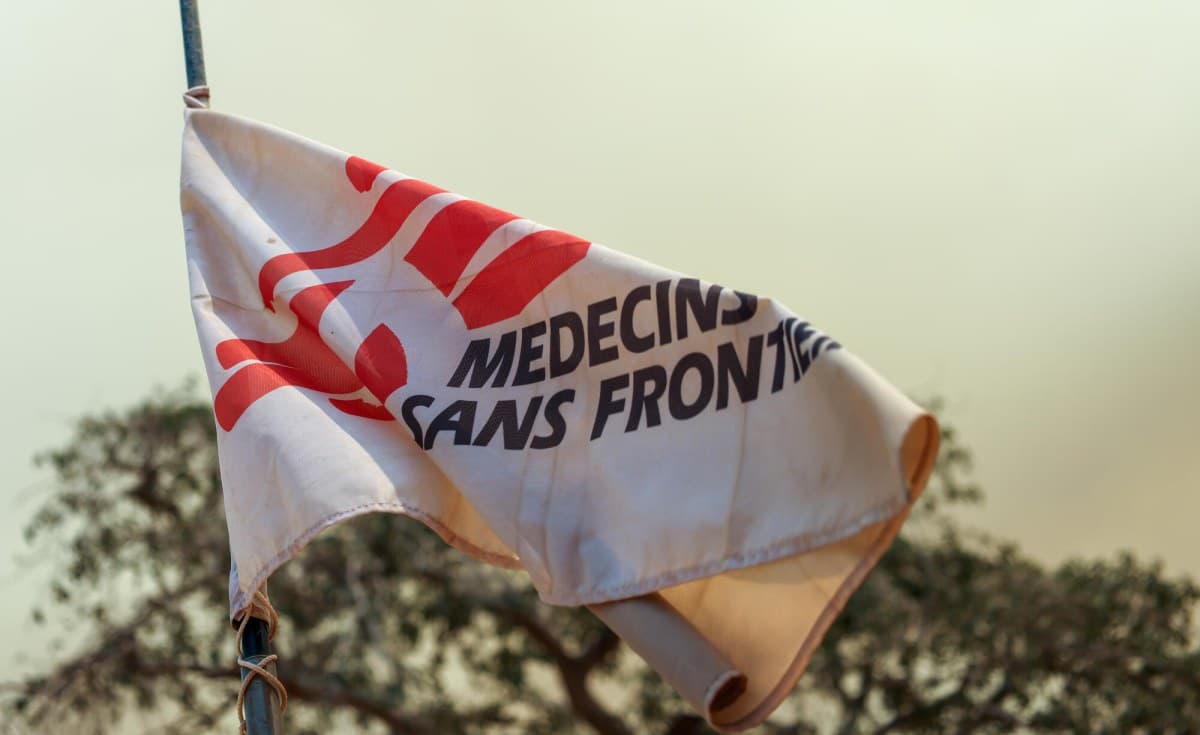
In a somber address to the United Nations Security Council, the International Red Cross revealed that over 1,000 humanitarian workers have been killed in conflict zones over the past three years. This announcement underscores the escalating dangers faced by aid workers in regions plagued by violence and instability.
Disturbing Statistics
According to data presented at the Security Council meeting, at least 326 humanitarians lost their lives in 2025 alone while carrying out their duties across 21 countries. This elevates the grim total to more than 1,010 deaths since 2023. These figures reflect the increasingly perilous conditions under which humanitarian efforts are conducted globally.
Context and Challenges
Humanitarian workers, vital in providing lifesaving assistance and support to affected populations, have found themselves targets in hostile environments. The ongoing conflicts in numerous African nations, as well as volatile regions worldwide, amplify the dangers they face daily. Despite international humanitarian law offering protections to aid workers, these recent deaths highlight a glaring disregard for these safeguards in conflict zones.
Pressing Implications
The loss of humanitarian personnel not only signifies a direct assault on human life but also hampers critical aid delivery to distressed communities. This increase in fatalities calls into question the international community's ability to ensure the safety of those who risk their lives to provide relief. The defiant disregard for the neutral role of aid workers signifies a worrying trend that could deter the much-needed humanitarian presence in conflict-ridden areas, exacerbating the suffering of vulnerable populations.
Urgent Call to Action
During the council proceedings, gravitas echoed in the words of a representative from the International Red Cross, who lamented that "we are losing our humanity in war." This appeal seeks to remind global leaders of their responsibility to bolster efforts in safeguarding those who dedicate their lives to supporting the world's most marginalized and endangered individuals. The urgent entreaty emphasises the need for renewed commitments to international treaties designed to protect aid workers, ensuring these tragedies do not persist.
As global attention shifts towards addressing these critical security concerns, there is an imperative to reinforce legal frameworks, enhance protective measures, and galvanize concerted efforts to uphold the sanctity and safety of humanitarian missions. The memory of those who have perished must act as a catalyst for change to prevent such losses from becoming a harrowing norm.
The recent discourse at the United Nations spotlights the dire need for a collaborative response to halt the violence that jeopardizes the lives of those committed to saving others. Through unwavering resolve and international cooperation, it is hoped that the world can reclaim its shared humanity from the throes of conflict and extend a shield of protection to those who embody its compassion and mercy.