
Black Women's Health Imperative Launches Groundbreaking Initiatives with $1.2 Million Grant to Address Research Disparities
Despite comprising a significant demographic, Black women in the U.S. remain largely underrepresented in medical research, with a mere 2% dedicated to their specific health needs. Aiming to bridge this gap, the Black Women’s Health Imperative is utilizing a $1.2 million grant to launch transformative projects, including the largest-ever survey on menopause and perimenopause for Black women.
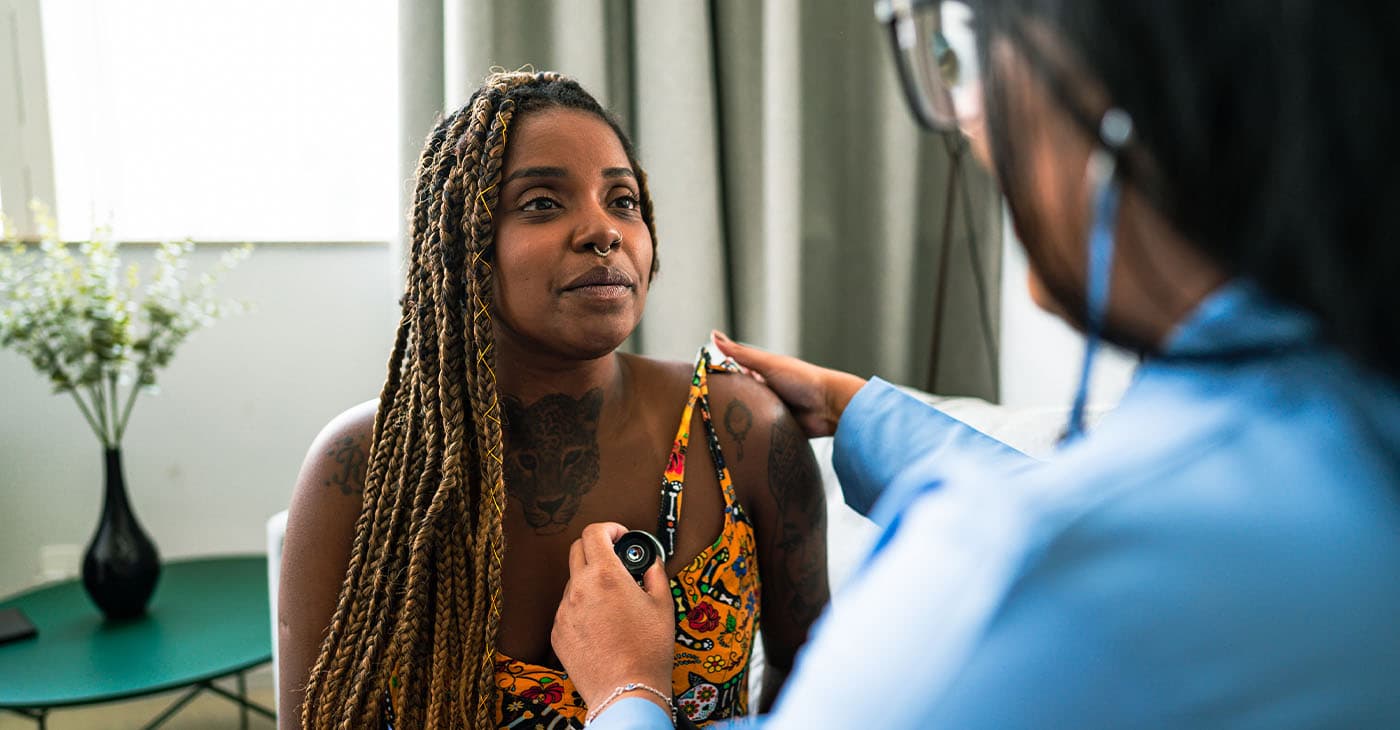
Black women in the United States find themselves at a significant disadvantage when it comes to health research and resources. A mere 2% of health research funding is directed towards understanding their unique health needs. Addressing this gap requires targeted efforts from dedicated organizations, such as the Black Women’s Health Imperative, which are making significant strides to transform this landscape.
One of the organization's pivotal moves involves utilizing a $1.2 million grant from the W.K. Kellogg Foundation. These funds are being channeled into a series of initiatives aimed at dismantling existing disparities. A hallmark of these efforts is the undertaking of the largest-ever menopause and perimenopause survey specifically focused on Black women. This survey is not merely a data collection effort, but a fundamental step towards illuminating the often overlooked experiences of Black women during these critical stages of their healthcare journey.
Beyond the survey's immediate impact, such research initiatives promise to generate a ripple effect across the healthcare system. By collecting and analyzing data specifically relevant to Black women, health providers can tailor their services more effectively, ensuring these women receive care that is both culturally competent and medically sound. Furthermore, these initiatives underscore the profound need for a diversified research agenda that reflects the varied experiences within the Black diaspora.
Historically, Black women in the U.S. have faced systemic neglect in healthcare research. This neglect is a reflection of broader socio-economic disparities and cultural insensitivities that persist within the healthcare system. While the broader narrative of healthcare inequality includes various racial and ethnic minorities, the specific health challenges faced by Black women often require specialized focus. Problems such as disparities in maternal health outcomes, greater prevalence of certain chronic illnesses, and differences in cancer mortality rates demand nuanced understanding and targeted intervention.
For the Black diaspora, this renewed focus on the health of Black women is more than a resource allocation issue. It is an essential step towards health equity and justice, addressing inequities that have historically marginalized their voices. Initiatives like the one spearheaded by the Black Women’s Health Imperative encourage a more inclusive healthcare dialogue and inspire further research investments.
As the largest menopause and perimenopause study for Black women gets underway, it heralds a future where data-driven insights empower change and foster wider systemic shifts. The study signifies an elevated commitment not only to understanding but also to actively combating health disparities that have long plagued Black women in the diaspora.
“Our health narratives deserve to be seen and heard, providing the foundation for meaningful changes in policy and practice,” asserted a representative from the Black Women’s Health Imperative. This viewpoint highlights the integral role of community-driven research in shaping a more equitable healthcare landscape, one that fully recognizes the needs and contributions of Black women in America.